

AGORA--Aromatherapy Global Online Research Archives
Toggle Menu
  • Agora Index Page
  • AGORAIndex.org Entry Page
  • AGORA Home (remote)
  • AGORA Twitter Page
AGORA is an international group of volunteers dedicated to providing noncommercial aromatherapy education articles via donated web space on the internet
Agora alternate logo

Ancient Hebrew Uses of Aromatic Plants

Introduction

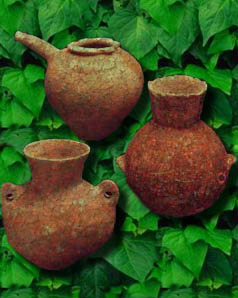
Ancient jarsThe use of aromatic herbs and resins goes back to the dawn of history. The reader of Biblical texts will encounter mention of herbs and resins in various contexts. It is interesting and instructive to examine ancient Hebrew sources such as the the Bible and Talmud along with archeological evidence to determine what can be learned about ancient Hebrew uses of plant aromatics.

When examining these ancient texts, there are several hurdles to be overcome before one can understand the intent of the ancient writers. The first is one of identification: are we, today, referring to the same plant as the ancient Hebrews were? Luckily, modern scholars, most notably, Yehuda Felix, whose writings form the basis of this essay, have devoted great efforts to this problem.

The second hurdle is context: when an aromatic plant is mentioned, what use is being referred to? How were the plant extracts obtained, and for what use were they put in general, and in the specific text being studied? Here, too, modern scholars have studied carefully the evidence to find us some surprising results.

I will focus here on four aromatic plants that are conspicuous in the Bible: cedar, cypress, hyssop, and cinnamon. In addition, I will look at one plant not mentioned in the Bible, but discussed in the Talmud: rose. All of these are plants that. in modern times, essential oils are extracted from them and are used in aromatherapy.

Finally, I will discuss how the plants were used.

<< Back | Main | Next >>

Go to Top
Select menu item to go to a subpage.
≡
  • Hebrew Index
  • Introduction
  • Cedar
  • Cypress
  • Hyssop
  • Cinnamon
  • Rose
  • Production and Use of Plant Aromatics
  • Appendix: The Grinding of the Incense
  • Bibliography
  • About the Author
  • Sources


2013 Notes

Notes relevant to this article will go here.

AGORA, The Aromatherapy Global Online Research Archives is a unique non-commercial, website, contributed to by about eighty people world-wide. We are working to promote the serious, intelligent and SAFE use of essential oils for healing the body, mind and spirit. The various pages on this website are hosted in different places, internationally, reflecting the worldwide nature of the interest and participation in aromatherapy. The origin of this project came from a dream of Michel Vanhove, who hosts the official homepage.
I expressed an old dream on the idma aromatherapy mailing list on 16/2/1998: "I dream of a better use of the web possibilities and a cooperation of webpage owners or designers, to make a huge common work on aromatherapy and related subjects. Different people cooperating with the same purpose: making info available and enabling communication. If we would cooperate, one member would make some space on his/her pages for long updated references on books, another person could keep updated a huge link page,sorted by subject and country with clear descriptions, another making images available..."

-Michel Vanhove

AGORA pages are currently hosted on these sites, which will open on the site homepage in another window:
  • www.nature-helps.com
  • Nature's Gift
  • Samara Botane
  • Cactus
  • AGORA Index

AGORA Pages originally hosted on these now dead sites are now hosted on the AGORAIndex.org site when available:

  • benzalco.com
  • aromavitae
  • aromatours
  • FragrantDemon
Follow us on Twitter at @AGORAAroma

Like us on Facebook at [Coming soon]

View our Twitter feed on this page.

©Aromatherapy Global Online Research Archive and it's individual authors. All Rights Reserved.